
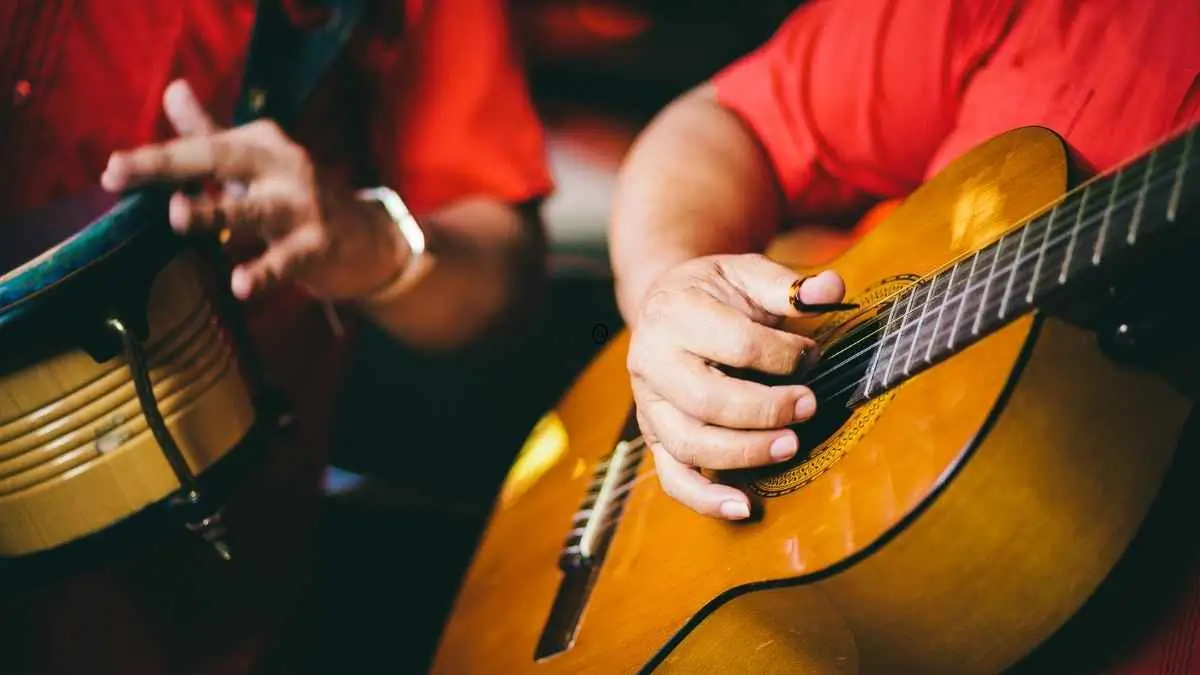

Mexican music is really something. It has a lot of influences from all around the world like the people who were already living in Mexico people from Europe people from Africa and others who came later. This music tells us about the history of Mexico with all the big changes and struggles that the country has been through. Mexican music has changed a lot over time from the drums that people used to play in ceremonies to the new kinds of music that people are making today. Some of this music is even popular in countries.. Even with all these changes Mexican music is still very good, at making people feel things and telling stories. This article is going to look at the times and types of music that make up the special musical traditions of Mexico.
Indigenous Origins and Pre-Columbian Customs
Engaging the text “Well before contact with Europeans, the indigenous peoples of Mexico (Aztecs, Maya, and others) used music in their religious ceremonies and rituals and in their daily lives. Dances and storytelling were accompanied by drums (huehuetl and teponaztli) flutes rattles and conch shells. Music had symbolic and spiritual functions, often related to cosmology, agriculture and warfare. The focus in these traditions was on rhythm, on participation by the group and on connection with nature and the divine. Many of these indigenous elements were lost or changed during colonization, but they persist in modern folk styles, providing unique scales, percussion patterns, and performative energy.” I have produced these humanized output:
The Colonial Era: Mixing of Cultures
When the Spanish arrived in the 16 th century, they brought with them string instruments like guitar and vihuela, brass like trumpets, and European forms of music including religious hymns, court dances, and folk ballads. Adds African influences added layers of rhythm, call-and-response vocals and percussion. In Veracruz such a mixture were a precursor of early Son Jarocho, with harp, jarana (small guitars) and requinto, and syncopation told by Africa and the irreverent lyrics.
The Catholic Church also played a significant part. They experimented with music them to the target market for evangelisation, which introduced sacred songs in the process. The local environment had been humanised by these additional European implements and regional differences began to surface by the end of the colonial period.
19th Century: Early Folk Forms and Nationalism
The mexican independence of 1821 was the origin of music as a channel of national identity. Corridos, or narrative ballads, were the stars for a while. They fell heroes, described social struggles, explained historical facts, and generally had a moral or political point of view. Lyrics of narrative ballads were built doing Spanish romances, but local subjects.
Throughout the Porfiriato in the late 19th century polkas waltzes and mazurkas of European origin were very well received, Mostly in the north where German and Central European immigrants settled. At that time, the different “son” stylesfolk music groups that incorporated indigenous, Spanish, and African elementswere spread and familiar throughout the country. Besides music, poetry and dance experienced a great upturn, that made the 20th-century innovations possible.
Mariachi: The Music of Mexico
Mariachi is without any doubt the music style most representative of Mexico to the world. It was born in 18th and 19th century in the state of Jalisco, mainly in towns like Cocula and Tecalilitlan, as rural string ensembles called son jalisciense evolved. Members of the original groups, dressed like farmhands, played violins guitars vihuelas and harps.
Exposure to jazz, Cuban music and city-living after the Mexican Revolution (1910-1920) paved way for the formation of the modern mariachi band at the beginning of the 20th century composed of trumpets and a guitarrn (very big bass guitar) and distinctive charro costumes. Mariachi music often includes rancheras (love-songs betrays patriotic themes) sones huapangos, and boleros. It was a symbol of Mexican identity that was made known to the rest of the world through movies, tourism and cultural diplomacy. At present, it is still a part of the main events, and Mariachi Vargas de Tecalitln is a good example of the group that has kept its art alive.
Traditions of Ranchera and Corrido
Often linked with mariachi, ranchera music was the musical rock of rural Mexicans who moved to cities after the revolution. The songs deal with themes of the country life, love, and machismo, and singers usually perform them with a very strong emotional expression. Meanwhile corridos as a storytelling medium, kept narrating stories of revolutionary heroes, life on the border as well as social problems. Both music types have their share of deeply emotional lyrics and easy melodies, and today they are an essential part of Mexican popular culture.
Norteño and Conjunto: Sounds of the Northern Border
The music style called Norteo emerged in the Mexican Northern states as well as U.S. Southwestern regions. It came from the fusion of the Spanish-Mexican folk and traditional roots with the Germanic polka hearing brought by the immigrants of the 19th century. The lead musical accompaniments are the accordion, bajo sexto (12 string guitar), bass and drums. Narciso Martinez and a couple of other pioneers were making the popularization of conjunto (a style similar to Norteo) in th 1920s-1930s.
Norteno is dance music with the rhythm very upbeat. The content is mainly migration, love, and hardship stories. It has a long history of developing into different modern versions. Norteno is still enjoying relative popularity in border areas and Mexican-American communities.
Banda and Sinaloa Brass
Banda music emerged from military brass bands of the late 19th century in Sinaloa. Its big combination of brass instruments, woodwinds, and percussion creates a very strong, joyful sound that is great for dancing. Initially playing polkas and marches, Banda soon incorporated rancheras, corridos, and cumbias into its repertoire. By mid-20th century, it had become so popular that it is nowadays one of the most thriving genres, as modern artists combine it with other styles.
Other Regional Styles and Diversity
The Mexican musical scene consists of tons of styles besides the ones mentioned above. For example, Son Huasteco from the Huasteca region features violin guitar huapango dance with falsetto vocals. Rhythmic footwork and harp, Jarocho from Veracruz. States located in the south like Chiapas and Oaxaca exhibit musical roots reflecting their Central American connections through their marimba bands. Meanwhile Cumbia originally a Colombian dance rhythm, was transformed to a very Mexican style due to the use of brass instruments and tropical rhythms. It increased in popularity during the mid-20th century.
Modern evolutions and international influence
In the century Mexican music became more varied with the addition of rock en español, pop and different kinds of fusions. This was also the time of the Golden Age of cinema which helped make ranchera and mariachi music more popular.
Over the few decades regional Mexican music, also known as música mexicana has become very popular all over the world. Regional Mexican music has subgenres like corridos tumbados, which’s a mix of traditional music and hip-hop with artists like Natanael Cano.
Mexican music has reached people around the world through streaming platforms and collaborations with artists from other cultures. Mexican music stays true to its roots in the community and the identity of the people. Today Mexican music artists are still creating music and they often write about things that are happening today such as social justice and their own personal experiences.
Mexican music is what makes the country special: it is strong, expressive and always changing. Whether you listen to the trumpets of mariachi music or the fast accordion of norteño music these styles of music bring people together across different generations and cultures. They invite people from around the world to experience the music of Mexico. When new kinds of music are created the heart of Mexican music remains the same with its stories, rhythms and passion. Mexican music is still, about storytelling, rhythm and passion. That is what makes it so special.

Specialized Contributor-
Fashionista Loves is a fashion and lifestyle enthusiast passionate about exploring the latest trends in style, beauty, luxury, and modern living. With a keen eye for emerging fashion movements and timeless elegance, they create engaging content that inspires readers to express themselves with confidence. From designer collections and celebrity fashion to beauty tips and lifestyle insights, Fashionista Loves brings fresh perspectives to the ever-evolving world of fashion.