
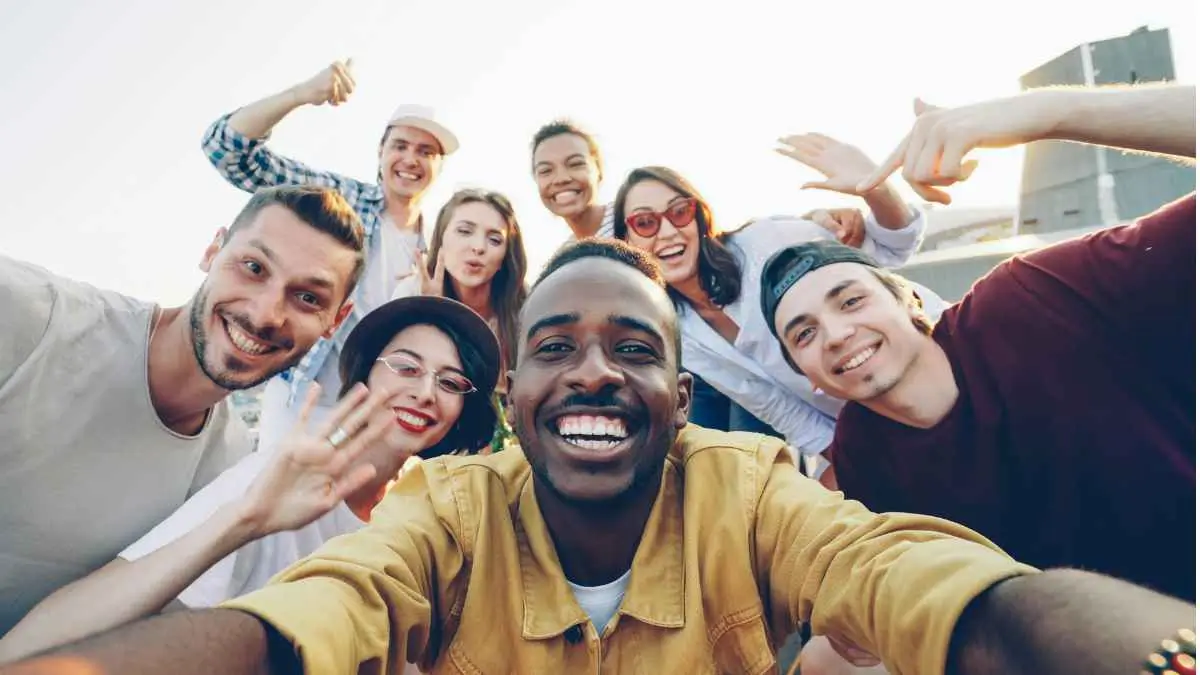

The Internet and social media have changed the social dynamics of teenage years for adolescents, giving them new avenues of making friends, self-expression, and being informed but also creating many issues and risks along the way. At the moment, 95% of the young population in the U.S. aged between 13 and 17 are social media users. Most of they are always online. YouTube TikTok Instagram, and Snapchat are the main channels of their existence. They help in creating friends, providing means of entertainment but also increase pressures that were totally unknown to the previous generations. The growth of social media use has also increased fears about its wider implications for adolescent development.
One of the biggest problems at stake is mental health capacity. Recent surveys revealed that almost half of teens now believe that social media is more harmful than helpful when it comes to their age group. This is a 32% rise from 2022. As a study, teen usage of social media for three or more hours daily makes them two times more likely to have symptoms of depression anxiety and other mental health conditions. Girls are more likely to see social media as a factor in their mental health problems, with 25% admitting as such compared to 14% for the boys, and they tend to have more negative experiences. Also, many teens claim that their excessive use affects their sleep, studying, and self-esteem, making them feel they are not good enough because the people they look up to online are always perfect and they are always comparing themselves.
Cyberbullying has become a serious problem that has become common in this digital environment. Per data from 2025, a third of teenagers were cyberbullied in the last 30 days, and more than half of them experienced cyberbullying at least once in their lifetime. Some frequent examples of cyberbullying include nasty messages, being cut out of group chats, being spread of a false story about, and getting ridiculed openly on internet. Compared to traditional bullying, cyberbullying is something people are continuously exposed to while being at home or school, leaving almost no room for a person to hide, and besides Really the perpetrators are not always obvious, their harmful comments reach a lot of people. Studies show cyberbullying increases the risk of developing various forms of mental distress including more severe ones like suicidal thoughts in the victim teens.
Social media addiction, or just excessive use, is another problem that is constantly developing. About 45 percent of teenagers say they spend too much time on these platforms (a significant increase from previous years,) and 11 percent of them have signs of addiction (in the sense that they do not seem able to control their behavior) when using these platforms. That kind of always-on behavior can replace face-to-face communication and physical activity as well as normal sleep patterns for the teenager. Apps that are made to keep users’ dopamine levels up and make them want to watch content all the time result in not only a lower ability to focus but also the lack of ability of the person to cope in social situations, in face-to-face interactions, for example. Parents also say that such habits lead to more and more isolation of a person even with being surrounded with social networks on different types of media the whole time. In essence, the more “connected” someone is, the more lonely he or she feels at the emotional level, as the opinion of the experts.
Body image issues among adolescent girls are very common as well as a distorted sense of self, but teenage boys can experience them too. Much of our modern society consists of a media and advertising culture that presents images that have to be filtered before reaching our eyes This way they become perfect and unrealistic which makes us feel inferior because we never look that good. In fact, most of the young females claim that social media has negatively influenced their perception of their own bodies which in return has resulted into unhealthy habits of eating, lowering of self-esteem levels and raising of anxiety levels as if that is not enough.
The constant fear of missing out (FOMO) and the need for maintaining an image online can make these insecurities even worse, with teenagers often resorting to reckless behavior just to get the approval that they are hoping for, which leads to negative outcomes. Privacy is another important concern and teens are generally more worried about social privacy – from parents and peers – rather than data privacy from corporations. While they may even be proud of what they have shared, the trail they leave is a danger for the future since the information can get stolen, used against them or publicly exposed as a mistake. Despite being the case, online grooming, the pressure to ‘sexting’ and meeting strangers in general, are still the major areas of risk and this is what distinguishes true digital safety awareness from digital literacy.
The main social problems that society will face are the risk of online radicalization, the negative effects of encountering harmful content, and the decline of the skills of face-to-face communication. And, algorithms may help to spread radical ideas and misinformation, Mostly to young people. Less time spent in the company of others could bring the loss of important human traits like empathy and ability to resolve conflicts on one’s own. Still, social media may be a very good means for isolated youth to find support, to get access to study resources, and to express creativity.
A comprehensive effort will have to be made from different sectors of society including parents teachers government officials, and tech companies if social issues are to be effectively addressed. The suggested solutions are, for instance, developing digital literacy skills, setting reasonable limits to internet use, encouraging real-life activities and talking openly about online experiences with teenagers. Finally, it might be one of the great societal challenges today to determine the optimal way of leveraging the advantages of the Internet while minimizing the risks and providing protection for the health and psychological well-being of children.

Specialized Contributor-
Fashionista Loves is a fashion and lifestyle enthusiast passionate about exploring the latest trends in style, beauty, luxury, and modern living. With a keen eye for emerging fashion movements and timeless elegance, they create engaging content that inspires readers to express themselves with confidence. From designer collections and celebrity fashion to beauty tips and lifestyle insights, Fashionista Loves brings fresh perspectives to the ever-evolving world of fashion.