
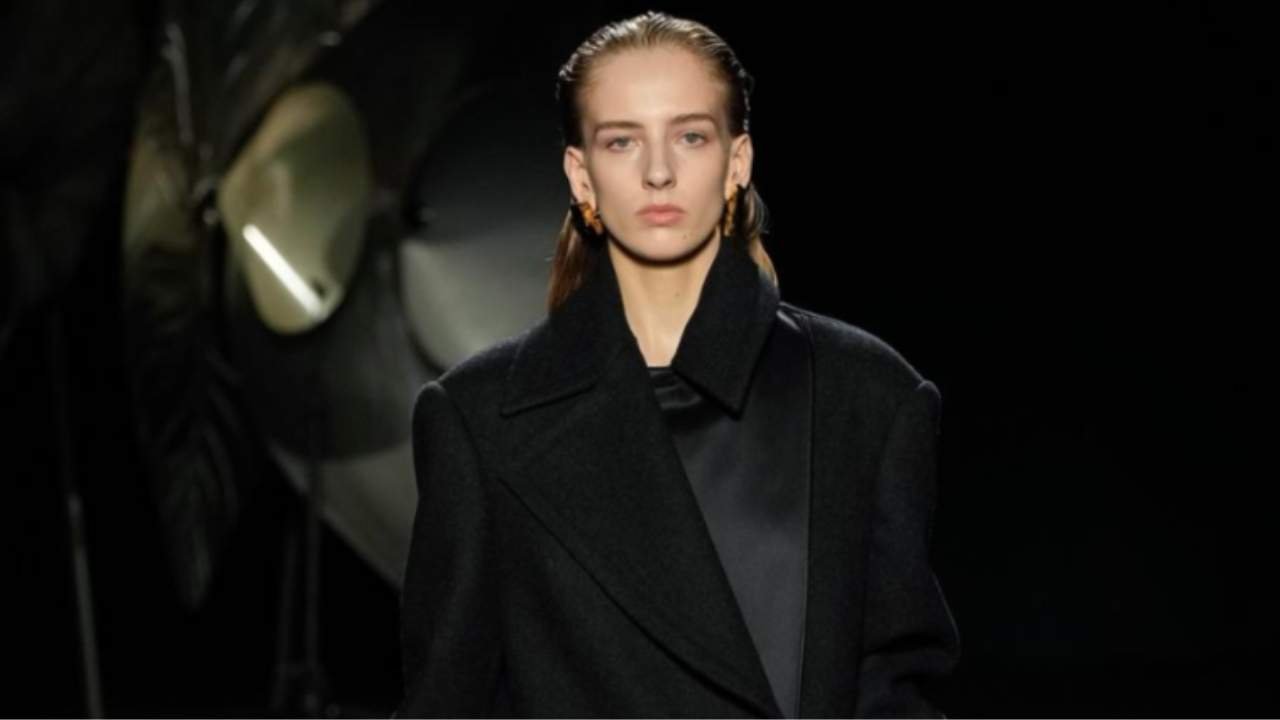

The last stop on the global fashion month circuit was Paris Fashion Week for Fall/Winter 2026-2027, which ran from March 2 to March 10, 2026. The Fédération de la Haute Couture et de la Mode (FHCM) put on the event, which had 67 ready-to-wear shows and 31 presentations. This was a little less than last season, but it was still very important. After a one-of-a-kind Spring/Summer 2026 cycle full of big-name creative director debuts, this edition turned its attention to sophomore collections. Six months after designers had shown off their bold new ideas, they could now expand their stories, improve their aesthetics, and respond to early market feedback. The week was defined by thoughtful change rather than shock value, and Paris once again proved itself to be the intellectual and artistic capital of fashion.
The Schedule and Important Changes
The official calendar, which came out in early February 2026, lasted for more than nine days and included both well-known and up-and-coming artists. The program was anchored by big names like Louis Vuitton, Miu Miu, Chanel, Celine, and Saint Laurent. Independent labels like Vaquera, Paloma Wool, Kiko Kostadinov, and Ottolinger added a more experimental touch. Valentino, which chose to show in Rome on March 10, and Coperni, which skipped the season because of problems with shareholders, were two of the most notable absences.
One debut stood out: Antonin Tron, the founder of Atlein, showed his first collection for Balmain on March 4. This raised questions about how his simple style would fit with the house’s history of bold tailoring. Pieter Mulier’s last show for Alaïa on March 5 was very emotional because the designer was getting ready to leave for Versace. Eenk, Co, Time, Litkovska, and Situationist were new to the calendar and brought new ideas to an otherwise familiar lineup. From March 4 to 10, showrooms were open at the Palais de Tokyo at the same time, making it easier for buyers and the press to make appointments in both digital and physical formats.
A Walk in the Park by Dior
On March 3, Jonathan Anderson’s second collection for Christian Dior took place in the Jardin des Tuileries, turning the historic park into a stage. Around a pond with fake Monet-style lily pads was a circular runway. Invitations looked like the park’s famous green metal chairs. The theme, “seeing and being seen,” celebrated walking as a performance. It mixed Belle Époque ruffles into fun mini dresses, bourgeois tweeds with a modern twist, and shearling jackets with wave-like hems.
Polka dots, crystallized denim, and lily-pad shoes added a lighthearted and silly touch. Anderson said that Dior’s history was important, but she felt free to give it a new meaning. The collection felt lighter and happier than many people thought it would, which showed that the designer was becoming more comfortable in his role and was ready to add his own humor and historical references to the house.
Matthieu Blazy’s Second Statement for Chanel
On March 9, Matthieu Blazy showed his second ready-to-wear collection for Chanel. It built on the success of his first collection, which got a lot of praise. After Chanel topped the viewership charts last season, people had high hopes. Blazy gave the house a vision that was both elegant and modern, striking a balance between the two. Sharp tailoring, delicate lace, and sculptural elements that honored Gabrielle Chanel’s legacy while pushing the envelope were some of the details.
The show kept Chanel’s status as a cultural touchstone alive, with front-row celebrities and global media attention showing how important it still is. Blazy’s approach showed that he knew the brand’s codes—pearls, tweed, and camellias—and added small changes that felt natural instead of forced.
Miu Miu: Star Power and Fun Provocation
Miu Miu ended the week on March 10 with a show that had a mix of well-known models and surprise celebrities, making it one of the most talked-about events of the season. The collection continued Miuccia Prada’s tradition of subverting femininity through intellectual playfulness. It had exaggerated proportions, ironic accessories, and a mix of high and low references that questioned what luxury really means.
The presence of famous people walking or attending the show made it more culturally significant, turning the runway into a larger commentary on fame, identity, and performance in the digital age. Miu Miu’s ability to stay both commercially successful and critically daring solidified its position as a leader in the industry.
Alaïa and the Sad Goodbye
Pieter Mulier’s final show for Alaïa paid tribute to the house’s iconic shape, which was sculptural, body-conscious, and unapologetically feminine. The collection went back to Azzedine Alaïa’s main ideas of cut and craftsmanship, with boned corsetry, precise draping, and dramatic touches like a cape with feathers on the shoulders. During the finale, Raf Simons and Matthieu Blazy were seen standing on their seats, which added to the emotional weight of the moment.
Mulier’s departure to lead Versace marked the end of an era at Alaïa, but his last collection showed that the house’s appeal and technical skill would never go out of style.
New Voices and Experimental Energy
The week showed that there was a lot of creativity going on outside of the big houses. Hodakova, Burc Akyol, and other labels looked at issues like sustainability, digital innovation, and cultural hybridity. Japanese fashion houses like Comme des Garçons, Noir, and Junya Watanabe turned parts of the schedule into art, mixing fashion with performance and deep ideas.
New designers like Eenk and Situationist brought new shapes and material experiments to the table, showing that Paris is still a great place for independent talent even when the luxury market is under a lot of pressure.
Important Trends for Fall/Winter 2026–2027
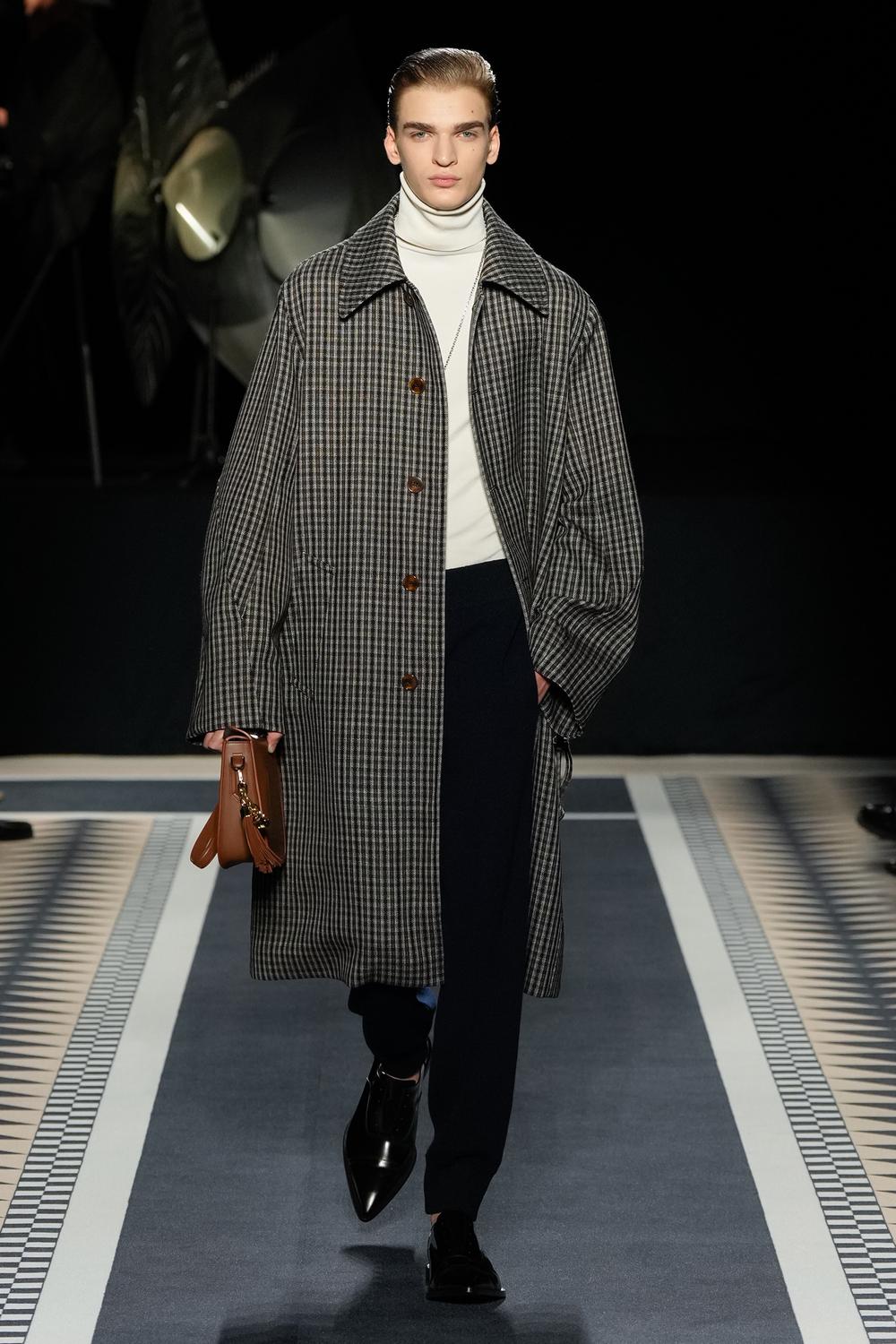
Across collections, a few clear themes stood out. Waist emphasis was the most important thing, with peplums, corsets, and cinched silhouettes celebrating the female form in both structured and fluid ways. Sheer lace and see-through fabrics made her look sexy and vulnerable, while sharp tailoring and pressed button-down shirts made her look polished and professional.
Gothic influences showed up in dark colors and dramatic shapes, while fun touches like polka dots, crystallized textures, and silly prints balanced out the season’s more serious tones. Outerwear included jackets that could be worn in different weather conditions and coats that looked like they were made of stone. Many shows had themes of sustainability, with designers using organic materials, upcycled parts, and careful production methods.
Overall, the trends showed that people wanted clothes that were both purposeful and expressive—clothes that could be worn every day but also let you escape into a fantasy world and show off your personality.
The Bigger Picture in the Industry
There was cautious optimism in the luxury market during Paris Fashion Week 2026. Many houses put more emphasis on wearability, craftsmanship, and emotional connection than on pure spectacle because of global economic headwinds and a drop in spending. Sophomore collections let designers go beyond their first ideas and show that they could be both creative and profitable.
Buyers said they were very interested in pieces that could be worn in different seasons and were versatile. They especially liked collections that honored the past while dealing with modern issues. The digital part—livestreams, virtual showrooms, and social media—made it easier for more people to participate, but the magic of being there in person was still the most important part of the week.
Famous People and Their Effects on Culture
There was a lot of star power. Zendaya, Lisa, Tyla, Daisy Edgar-Jones, Chloë Sevigny, and other stars brought their style to the front rows and runways, especially at Miu Miu and Louis Vuitton. These appearances not only made people more aware of fashion, but they also showed how it is connected to music, entertainment, and social media. The week got millions of views online, which helped Paris stay at the center of global conversation.
Looking Ahead
When the curtains closed on Fall/Winter 2026–2027, people started to look ahead to the next seasons: Men’s Spring/Summer 2027 in June and Women’s Spring/Summer 2027 in September–October. The sophomore season in Paris showed that the city was strong and growing. Designers are getting used to their new jobs, houses are getting back to normal after being in chaos, and the city itself keeps inspiring with its rich history and forward motion.
Paris Fashion Week 2026 showed that change can be just as interesting as revolution. The week was a celebration of depth, conversation, and the quiet power of refinement in an industry that is often criticized for chasing new things. The collections gave us a lot of ideas for the next seasons, from Anderson’s fun walk at Dior to Blazy’s confident continuation at Chanel and Miu Miu’s star-studded provocation. Fashion, like the city where it happens, is always new and always changing, even though it is based on tradition.
Frequently Asked Questions (FAQs)
When was Paris Fashion Week 2026?
The Fall/Winter 2026–2027 Paris Fashion Week took place from March 2 to March 10, 2026. The official schedule lasted nine days, and there were shows and presentations every day.
How many presentations and shows were there?
The FHCM put on 68 runway shows and 31 presentations. This was a small drop from the last season, which had a lot of debuts. The calendar was more focused after the Spring/Summer 2026 cycle.
Where did the shows take place?
The Jardin des Tuileries (Dior), the Grand Palais, and other famous Parisian sites hosted major shows. The concurrent showroom session took place at the Palais de Tokyo from March 4 to March 10, 2026. It gave buyers and the press a central place to make appointments.
What made this season different?
This was mostly a second season. Many designers who showed off bold new ideas in Spring/Summer 2026 (like Jonathan Anderson at Dior and Matthieu Blazy at Chanel) showed their second collections. These collections were more about refining the designs, telling deeper stories, and making them more marketable than just shocking people.
Who were the famous people who came?
Stars like Zendaya, Lisa, Tyla, Chloë Sevigny, Danielle Deadwyler (at Balenciaga), and many others sat in the front rows. Miu Miu’s last show had a lot of famous people in it, with models and famous people together for the most cultural impact.
How does this season stack up against last season?
After the eight big designer debuts in Spring/Summer 2026, Fall/Winter 2026 felt more grown-up and sure of itself. Consolidation became the main goal, and sophomore collections were praised for their confidence and commercial appeal. Chanel’s early success in stores and Dior and Celine’s wide acclaim set a good tone for the luxury market, even though people were being careful with their money around the world.
Can I still see the shows?
Most of the big shows were streamed live on the official Paris Fashion Week sites and brand sites. People who missed the live events can still watch replays and full collections on Vogue Runway, the FHCM site, and YouTube channels.

Specialized Contributor-
Fashionista Loves is a fashion and lifestyle enthusiast passionate about exploring the latest trends in style, beauty, luxury, and modern living. With a keen eye for emerging fashion movements and timeless elegance, they create engaging content that inspires readers to express themselves with confidence. From designer collections and celebrity fashion to beauty tips and lifestyle insights, Fashionista Loves brings fresh perspectives to the ever-evolving world of fashion.