
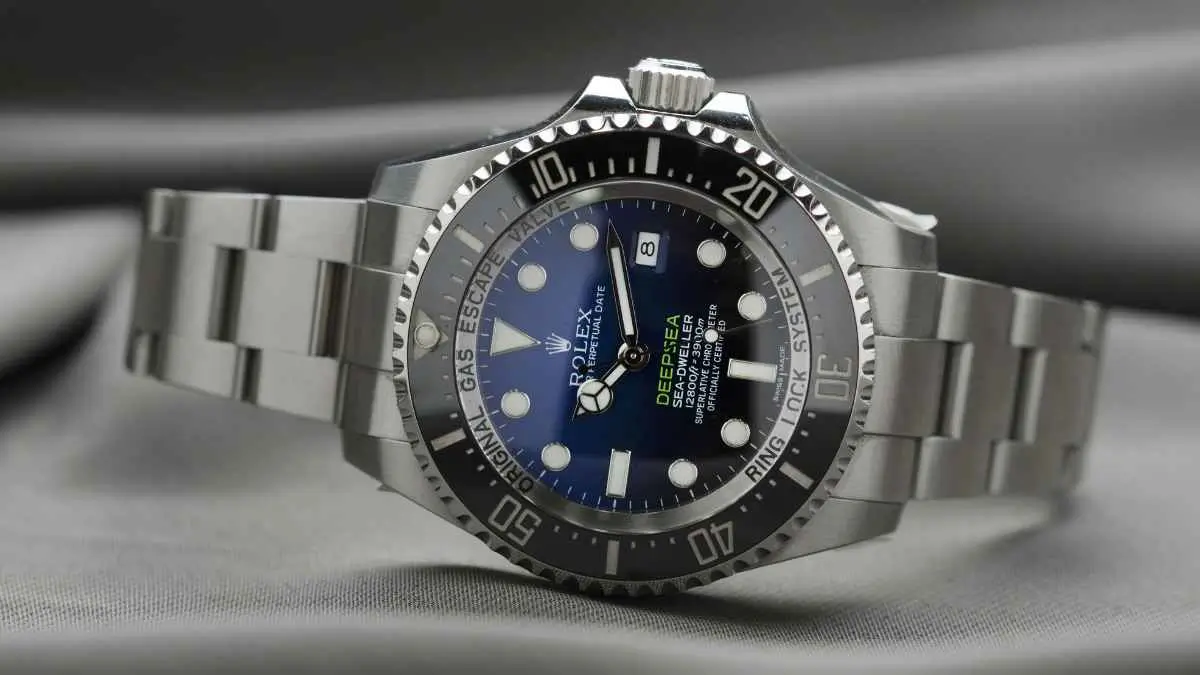

Apart from few materials used in horology, the one that can be said to have captured, debated and admired in equal amounts is ceramic. The once industrial and dental tool, ceramic has been one of the top choices in the luxury watchmaking world for so long thanks to its hardness, perfect design and it never wears out of its beauty. A ceramic watch combines modern material science with classic artisan techniques. Its wonder lies not only in the watch itself but the material in total that it is made from.
What Is a Ceramic Watch?
A ceramic watch is made of high-tech ceramic and no conventional materials such as stainless steel, titanium or gold is used, at least part of it, such as the case, bezel, bracelet or dial. The ceramics used in watchmaking are not the fragile pottery that is used for household objects. It is a high performance technical ceramic, most often zirconium oxide (also known as zirconia) that is fired at very high temperatures to produce a material of exceptional density and strength. The result is a watch part that is not only beautiful, but has a unique set of physical properties making it highly desirable for daily wear and long-term ownership.
A History of Ceramics in Watchmaking
The 1980s saw the serious introduction of ceramic in fine watchmaking, with Swiss manufacturers beginning to experiment with technical ceramics as an alternative to traditional case materials. Some of the first pioneers were IWC and Rado, with the latter in particular establishing its brand identity on the idea of scratchproof watches made from high-tech ceramic. The material was initially largely functional in its appeal, for its exceptional hardness made it far more resistant to surface scratches than metal. In the following decades, the development of manufacturing techniques and the possibility to create ceramic in a wider range of colours and finishes, saw the material appear in the collections of the greatest names in watchmaking, including Chanel, Rolex, Hublot, Panerai and Patek Philippe. Today ceramic components are used throughout the whole spectrum of the watch market, from cheap sports watches, to some of the most exclusive timepieces ever made.
Why Is Ceramic So Difficult To Work With
The same qualities that make ceramic so desirable also make it extremely difficult to manufacture. Sintered ceramic is one of the hardest materials used in commercial production, so it can only be machined using diamond-tipped instruments – not ordinary cutting tools. As a result, the process is slow, precise and expensive. The raw ceramic powder is mixed with binders and pressed into the approximate shape of the desired part and then fired in a furnace at temperatures above one thousand degrees Celsius . Manufacturers have to make very accurate calculations in order to account for the large amount of shrinkage that occurs during firing. Each part must be ground, polished and finished to precise tolerances with diamond abrasives after sintering. The high rejection rate in production – a crack, bubble or surface imperfection means a piece is no good – pushes up the cost, and explains why ceramic watches are often sold at a premium.
The Unusual Hardness and Scratch Resistance
The most famous property of technical ceramics is its hardness. Zirconia ceramic is around 1200 to 1500 HV on the Vickers hardness scale . Regular stainless steel is about 200 HV . This equates directly to scratch resistance that is second to none of virtually any other watch case material available. You can wear a ceramic watch every day and it will withstand an active lifestyle – rubbing against metal surfaces, keys or rough textures – and remain basically unmarked on the surface. This is a particularly important benefit for watch bezels, which are the component most likely to experience everyday abrasion. The Rolex Cerachrom bezel, the all-ceramic Chanel J12 case and the ceramic editions of the Hublot Big Bang are all credited with this precisely because their ceramic parts look as pristine after years of wearing as they did on the day of purchase.
Lightweight Comfort on the Wrist
Ceramic is not only hard but also has another big advantage that becomes immediately apparent when you wear a ceramic watch on your wrist – it is surprisingly light. Ceramic is a high-tech material that is substantially lighter than stainless steel, so a ceramic watch case of the same size will feel significantly lighter. This makes ceramic an excellent choice for larger watch designs, where the lighter weight helps to prevent the fatigue that can come from wearing a heavy metal watch all day long. The relative lightness of ceramic makes it very wearable and comfortable over long periods of activity, especially in sports and dive watches that typically have larger cases and thicker bezels.
Hypoallergenic and skin friendly
Ceramic is a hypoallergenic material and is a great choice for people having skin sensitivities or metal allergies. In fact, some stainless steel alloys do contain nickel, a common allergen and even high grade steel may cause a reaction with prolonged skin contact in Mainly sensitive people. As ceramic is a non-reactive compound (it does not have any metal ions in it) it can lie on one’s skin without causing any reaction. It is also a thermally stable material which means that it does not transfer or take heat or cold as effectively as metal – Because of this, if you have a ceramic-based watch, your skin will still feel nice even at very hot or cold weather. In fact, for people who used to avoid wearable metal due to sensitivity, ceramic watches have become a luxurious and very comfortable alternative.
The Aesthetic Beauty of the Ceramic
The visual qualities of ceramic are as striking as the physical ones. The material can be produced in a rich deep matte finish or polished to a mirror-like gloss that can rival any metal surface. Ceramic will never lose its color or finish with any special treatment or maintenance, while metals may oxidize or tarnish. The jet black of a ceramic Chanel J12 or the white of a ceramic Rolex Daytona is a color that will never fade, discolor or take on the patina of age. Recent progress in the manufacturing of ceramics has expanded the color palette available – watchmakers can now manufacture ceramic components in shades of blue, gold, bronze, green and even gradient tones that were impossible to achieve a decade ago. In this respect, Hublot has been particularly inventive, creating ceramic cases in unusual hues that have become a design hallmark of the brand.
Watch You Need to Know About
A few ceramic watches have become iconic in the watchmaking world and deserve to be recognized for helping to shape the material’s prestige. The Chanel J12, introduced in 2000, was perhaps the watch that proved ceramic’s credentials in luxury watchmaking, combining a daring full-ceramic case with Swiss mechanical movements in a design that upended the conventions of both fashion watches and traditional horology. The Rolex Cerachrom bezel, first seen on the Submariner and GMT-Master II collections, showed that even the world’s most conservative watchmaker could recognize the benefits of ceramic in both function and form. Hublot has made an entire brand philosophy out of ceramic and composite materials, creating the Big Bang in a variety of ceramic configurations that have become icons of modern watchmaking. One of the most sought-after collector’s pieces in the modern market, Patek Philippe’s extremely limited production ceramic Aquanaut.
Ceramic versus Other Materials in Watches
Comparing ceramic to its competitors highlights the strengths and limitations of ceramic. When it comes to scratch resistance, weight and hypoallergenic properties, ceramic decisively wins over stainless steel. However, steel is cheaper to produce and more resistant to catastrophic impact. Ceramic is more scratch resistant than titanium, but titanium is more impact resistant — titanium will bend under extreme force whereas ceramic, being brittle by nature, may crack. Ceramic has a better everyday durability than gold and platinum at only a fraction of the cost but there is a symbolic and investment value to precious metals that ceramic cannot match. The most sophisticated watches today tend to use combinations of materials (a ceramic bezel set into a titanium or gold case, for instance) that bring out the best of each. It’s a sign that ceramic’s future in watchmaking is less about replacing other materials than augmenting them.
Tips On Caring And Keeping A Ceramic Watch
One of the advantages of a ceramic watch is its low-maintenance nature, in contrast with metal choices. It’s practically impervious to scratches, So frequent use doesn’t dull its shine. Its inert chemical composition enables the ceramic watch not to require polishing or coating for protection, a feature you do have to do with other materials. Cleaning your ceramic watch is easy – just wipe it with a soft cloth and warm, soapy water; since ceramic is resistant to most household chemicals, and it can’t be damage by water, sweat or sunscreen. Owners of the ceramic watch should bear in mind only one type of care, which is impact resistance. Even though the ceramic is extremely rigid and scratch resistant, it is quite fragile if subjected to stress. If there happens to be a hit on a stiff object which, in particular, hits the thin edge or corner, it will cause the ceramic to crack or chip.
The Future of Ceramic in Watchmaking:
The way of ceramic in the watch industry is clearly upward. As manufacturing technology continues to get better, the cost of making ceramic parts is slowly coming down, which will open up more ceramic options at a greater variety of price points. As watchmakers develop new colors, textures and formulations of composite ceramics, the possibilities for designers are growing. Some brands are already experimenting with ceramic movements, using ceramic for internal elements like escapement wheels and pallet forks, bringing the wear resistance and hypoallergenic properties of the material to the heart of the mechanism. Ceramic’s durability and longevity make it an environmentally sound choice just as sustainability becomes an ever more important consideration in the manufacture of luxury goods. A ceramic watch made today should look the same fifty years from now, a standard of permanence that few materials can match. In a world of disposable products, the ceramic watch is a compelling case for buying things that are made to last.

Specialized Contributor-
Fashionista Loves is a fashion and lifestyle enthusiast passionate about exploring the latest trends in style, beauty, luxury, and modern living. With a keen eye for emerging fashion movements and timeless elegance, they create engaging content that inspires readers to express themselves with confidence. From designer collections and celebrity fashion to beauty tips and lifestyle insights, Fashionista Loves brings fresh perspectives to the ever-evolving world of fashion.