
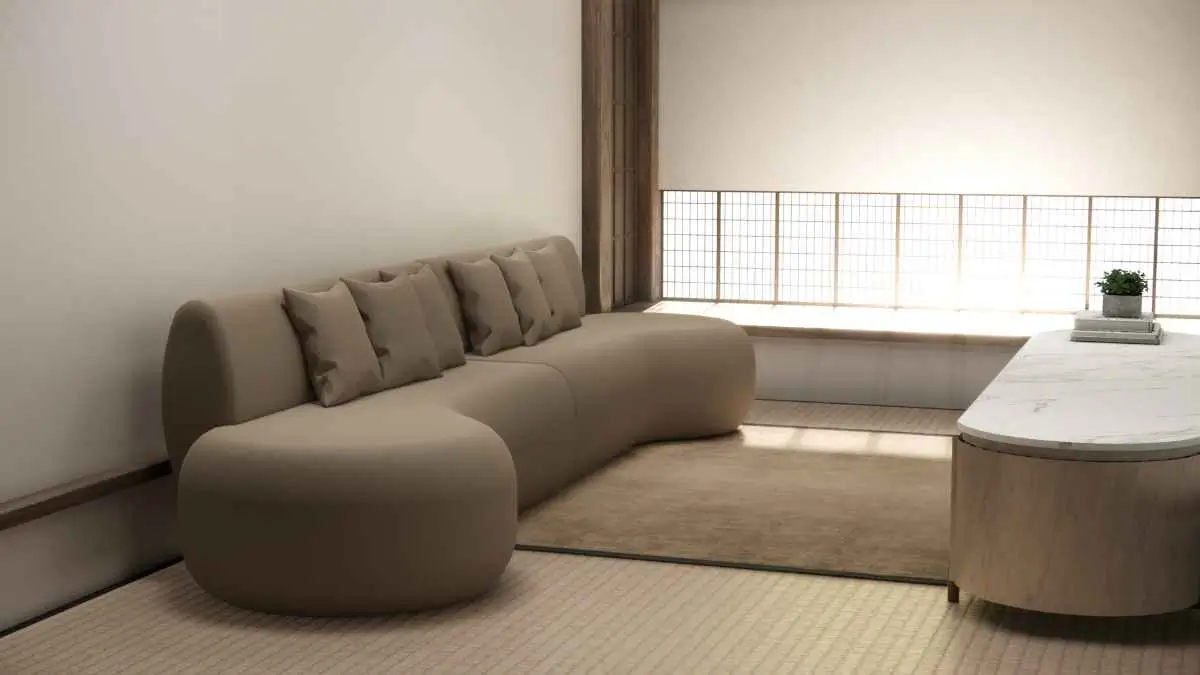

The Living Room Is a Reflection of Yourself
Arguably, the living room holds greater social significance than any other part of the home. It is the place where your presence is initially felt, where the family unwinds together after a day of challenges, where talks happen over coffee and bonds are formed over the years. This is a space that reveals the household to the world, and at the same time, it is a private retreat that is meant to be both open and inviting to guests and at the same time, comforting to its inhabitants. Having an aesthetic sense, by itself, is insufficient to design a living room properly, since it is a multifunctional room. One needs to figure out how people really live in that space – for example, how they move around, what they get from it, and what kind of environment makes them feel good the most. The most spectacular living rooms in the world are not just beautifully decorated. They are also the result of meticulous planning and reveal a strong character and a clear motive behind them.
Choose Your Color Palette: Start With a Foundation
Pick a Color Scheme: Establish a Base Color is the main ingredient of any excellent living room, and the selection of a color scheme will determine the overall vibe of your area. Neutral baseswhite cream beige, light gray, and earthy taupeare still enormously favorite because they offer a peaceful and versatile backdrop that makes the upgrading of furniture and accessories at any moment easy without the necessity to redo the entire space. Yet, neutrals need not be dull.
A beautifully complex living room, with a warm ivory painted wall, cognac leather couches, and dark walnut wooden accents, happens to be both elegant and very inviting. If But you wish for a more visually intense effect, consider a deep, richly pigmented accent wall that would be in a tone of either forest green, navy blue, or terracotta colors that are currently enjoying a resurgence in modern interiors. As a general guide, color ought to offer harmony rather than chaos. Choose two or three colors that pronounce each other and use them repeatedly in the various items the floor covering, the pillows, the pictures, the blankets. That way you will achieve that the space appears deliberately chosen from any vantage point.
The Sofa: The Focal Point of the Room
The sofa is often the largest item of furniture in the living room, and it is usually the one that dictates the arrangement of the other furnishings. This might well be your most significant interior design decision and choosing it right is key. A sofa that is too big for the room will make the room feel cramped and difficult to move around in. A sofa that is too small will appear lost and the room will be without scale. An appropriate style decision should be guided by the larger look that you are aiming for, whether that is contemporary, mid-century modern, traditional or transitional. A simple, low-profile sofa in a subtle linen looks very nice in a Scandinavian-style room. However, a traditional velvet deep set chesterfield with rolled arms is the main fixture of a maximalist, layered room. No matter what the style is, allocate a large part of your budget to the sofa itself, as it will be used everyday and a well-made piece will offer durability and comfort for many years.
Stacking Textures for Depth and Warmth
Usually, dull, lackluster living rooms have no variety in textures, even if there is good furniture and everything is well proportioned in them. Texture is the secret ingredient in interior design that distinguishes professionally curated rooms from the furniture showroom kind. The point is to contrast different materials all over the space – a shiny marble coffee table against a rough sisal rug, a fluffy mohair throw against a crisply linen cushion, warm reclaimed wood shelves against cool brushed brass hardware, etc. Every material has its own tactile language and when they are combined in a sensible way, the room grows visually rich and physically inviting in ways a single material can never achieve. Don’t hesitate to mix materials that at first you may think can’t be together – it’s usually the most unlikely combinations that create the most memorable interiors.
The Area Rug as Art
An area rug, when thoughtfully selected, is among the decorator’s most potent means of transforming a space. It can work as a base for the seating arrangement, mark a certain area within the open plan, bring warmth to the cold floors and with just a single pick, bring in the color, pattern, or texture. The largest error that most people make with rugs is purchasing one that is too small. In a living room, the rug should be big enough so that the front legs of all the main seating pieces can rest on it. This sets the furniture as one group instead of several pieces gathered separately on a large area of bare floor. The rug should reflect the room’s style rather than fighting it. In a minimalist interior, a bold geometric rug makes a strong statement among restrained elements. A faded vintage Persian rug adds depth and history to a more eclectic space. Natural fiber rugs in jute or sisal bring a natural, organic warmth to rooms with a relaxed, coastal or bohemian feel.
Arrangement of Furniture and the Movement of the Space
Regardless of how fabulous the furniture is, living rooms will seem uncomfortable and unconnected if the pieces are not arranged to honor human bodily presence and interaction. The best arrangements place seating within conversational distance of each other; about 8-10 feet from chair to chair, with the room interpreted by a single item, be it a fireplace, an accent wall, a large panel painting, or a picturesque window view. Don’t make the mistake of pulling everything to the wall to open up the room, either. Try floating a sofa away from the wall, anchoring it with an area rug, thereby creating a purposeful seating space that invites the occupant in. Thinking ahead about how the room will function; reading entertaining TV watching, etc. will enable the best arrangement possible.
Lighting – The Game-Changing Factor
An element that is the most powerful but often underestimated in interior designing is lighting. The best lighting for your living room is a layered combination of light: 1. General lighting to illuminate the entire space 2. Task lighting for reading and other activities 3. Accent lighting to draw attention to art, architectural features, or decorative objects Various floor and table lamps, wall sconces and even a statement pendant or chandelier create a warm, multi-dimensional quality of light that can be adjusted to suit the mood of the moment. Dimmers are a purchase that will compensate themselves in setting the mood. Plus that, the temperature of the light source is a deciding factor – bulbs that have temperatures between 2700K and 3000K produce the warm, incandescent type of light that makes the skin look good, the room feel nice and relaxing the entire evening.
Bringing the outdoors inside: plants and elements of nature
Living plants are among the most efficient and bighearted ways to bring warmth, life, and character into a living room. Plants have not only a) beautify the place b) make an area for rest and recharge more inviting, but they also improve air quality and help reduce stress on the psychological level. A large plant like a fiddle leaf fig, monstera deliciosa, bird of paradise or a rich olive tree, placed in a corner or an empty floor space, can become a very intense element that besides adding vertical interest and describing a form well, is something that no other object can come close to. Small plants placed on shelves, in window nooks, and on side tables contribute extra greenery layers without the need of requiring any floor space. For people who are not good at taking care of plants, dried botanicals, preserved moss panels, and arranged branches in big vases constitute almost the same natural charm but with much less effort needed.
Gallery Wall: Make a Statement with Artwork
Done properly, a gallery wall can make a blank wall become a quite fascinating and personal highlight in the whole room. The key is to think of the layout methodically, not randomly. Consider a unifying feature that links everything together it could be a frame finish that remains the same throughout your work, a color scheme that connects your art, a motif that you have been consciously using, or a deliberate variation of sizes that will lead to creating a visual rhythm. Before attaching anything to the wall, spread the arrangement on the floor, and try different layouts until the grouping looks harmonious but not too stiff or symmetric. Vary your mediums with oil paintings photographs graphic prints, textile art, mirrors, and 3D objects so that your ensemble appears as though it has been accumulated over time, instead of being bought in one afternoon. A gallery wall may be considered the most personalized element of a living room; it could, at a single glance, reveal the story of the resident’s travels passions aesthetic influences, and family history.
Coffee Table Styling That Looks Curated, Not Cluttered
The coffee table is the center point, both literally and visually, of most living rooms and its top is probably the most obvious spot to decorate in the whole room. The difference between having a coffee table nicely styled and looking like the items were just thrown there is in the deliberate choosing, scaling and the use of empty space. Traditionally it is recommended to make arrangements in uneven numbers threes and fives tend to appear more natural than evenly spaced pairs and to make different heights which add an interesting visual effect. The base is usually a pile of coffee-table art books showing the owner’s interests; a touch of a sculptural piece makes it three-dimensional; a miniature potted plant or a leaf brings the freshness of the outdoors in; a candle or a small decorative container is used to lighten the mood without going overboard. But, one must never forget that the discipline of restraint is the highest virtue. You should keep some space free on the surface so when you put a glass of wine or a TV remote down, it won’t disturb the setup. A coffee table with a decorative scheme on it should be a thoughtfully designed rather than heavied one.
Storage Solutions That Are Both Stylish and Functional
The living area is a place where we get tozzle – remote controls books magazines, children’s toys, throws, and a clutter of daily life that can quickly ruin even the most beautifully decorated space if there’s nowhere to pack it away. Smart storage solutions silently face the reality of life while keeping the beauty intact. Building-in shelves on either side of a fireplace or media unit not only add to the architectural beauty but also provide huge practical storage options. A storage ottoman is among the most multifunctional pieces of living room furniture. It can act as a coffee table, a footrest, extra seating, and a secret storage for blankets and remote controls. Chic baskets and lidded boxes allow smaller items to be stored away quickly while still looking attractive and not like a utilitarian environment. That is the main point of the best living room storage: each item in a home should have its designated place that needs no effort to return to, as only effortless organization is the kind that really persists.
The personal touches that make a house a home
The technical side of decorating, including perfect proportions, well-chosen colors, and layered lighting, can do a lot for a living room. But, it is personal touches that turn a well-decorated room into a beloved home. Family photos, carefully framed and hung, narrate the story of those living in the space. A ceramic piece bought at a Portuguese market, a fabric from a Moroccan souk, a wooden sculpture from a studio: items bought while travelling give a room the sense of a life that has been lived and built up over time, a feeling that no retail store can provide. Books, not just for show but because they’re read, and So, housed on shelves, signal intellectual life. One-of-a-kind and imperfect, heirlooms bring a dimension to a room that even the most thorough shopping cannot match. The living rooms that people often wish to revisit and remember long after the visit are definitely not the ones that look most like a magazine spread. They are the ones that most strongly reflect the true personalities of those living in them.

Specialized Contributor-
Fashionista Loves is a fashion and lifestyle enthusiast passionate about exploring the latest trends in style, beauty, luxury, and modern living. With a keen eye for emerging fashion movements and timeless elegance, they create engaging content that inspires readers to express themselves with confidence. From designer collections and celebrity fashion to beauty tips and lifestyle insights, Fashionista Loves brings fresh perspectives to the ever-evolving world of fashion.