
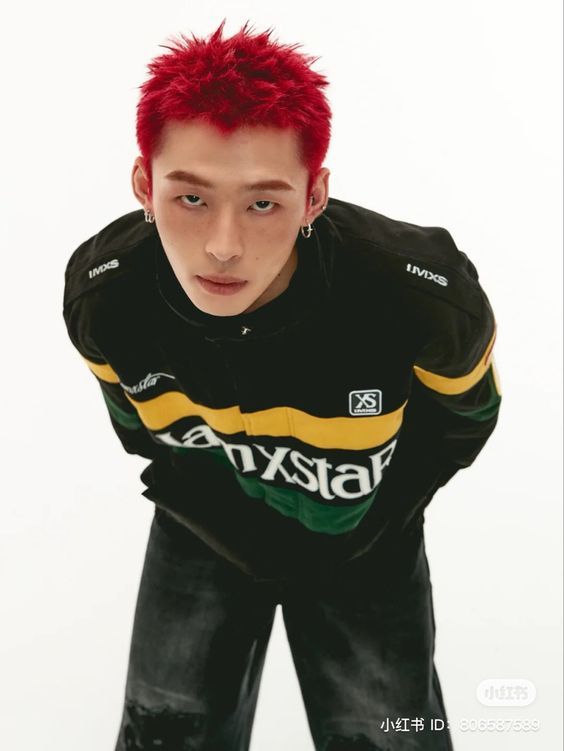

Fashion today is more than just about trends—it’s about mood, emotion, and self-expression. The rise of dopamine dressing and the return of bold Y2K aesthetics are redefining the way people use fashion as a tool for happiness and confidence. Bright colors, playful designs, and nostalgic styles from the early 2000s are making a strong comeback, symbolizing freedom, optimism, and individuality in an era craving positivity.
Dopamine dressing is built on a simple idea—what you wear can directly influence how you feel. After years of neutral tones and minimalist wardrobes, people are now embracing vibrant colors, daring patterns, and expressive styles to boost their mood. The pandemic years led many to prioritize comfort and practicality, but as the world opened up again, fashion became a celebration of life and joy. Wearing clothes that spark happiness has become a global trend, empowering individuals to use style as a form of self-care.
The science behind dopamine dressing lies in color psychology. Colors have the power to evoke emotions and influence energy levels. Bright shades like pink, orange, and yellow are associated with positivity and enthusiasm, while bold blues and greens inspire calm and creativity. This approach to fashion encourages people to choose outfits that align with their emotional state or the energy they want to project. It’s a creative way of connecting inner feelings with outward appearance, transforming everyday dressing into an act of empowerment.
Parallel to this emotional fashion movement is the bold revival of Y2K aesthetics—a nostalgic return to the glitz, glam, and experimental energy of the early 2000s. Think low-rise jeans, metallic fabrics, chunky accessories, platform shoes, and baby tees. Social media platforms like TikTok and Instagram have fueled this resurgence, with Gen Z and millennials embracing the iconic styles they grew up with—or discovered through pop culture legends like Britney Spears, Paris Hilton, and early-2000s streetwear icons.
The Y2K revival represents more than just nostalgia—it’s a statement of individuality and fun. In contrast to years dominated by muted tones and minimalist trends, Y2K fashion celebrates maximalism and self-expression. It allows people to mix textures, layer accessories, and experiment without worrying about fitting into rigid style categories. Fashion houses and designers are tapping into this sentiment, releasing collections that blend futuristic materials with retro silhouettes, creating a vibrant mix of past and present.
Social media influencers and celebrities have played a major role in popularizing both dopamine dressing and Y2K revival. From red carpets to streetwear, bold colors and nostalgic elements are everywhere. The influence of these trends has spread into everyday fashion, making vibrant self-expression more accessible. Brands are now creating collections that reflect joy, inclusivity, and creativity—encouraging consumers to wear what makes them feel confident rather than what conforms to societal norms.
Another reason for the popularity of these styles is their connection to optimism. In uncertain times, people turn to fashion as a source of comfort and motivation. Wearing something colorful or nostalgic can instantly uplift the spirit, spark conversations, and create a sense of belonging. This emotional connection to clothing has redefined the relationship between fashion and mental well-being.
Ultimately, dopamine dressing and Y2K fashion are reminders that style is deeply personal—it’s not about perfection but about expression. These trends celebrate the freedom to experiment, to stand out, and to find joy in the simple act of getting dressed. As fashion continues to evolve, one thing remains clear: the future of style is bright, bold, and unapologetically joyful.